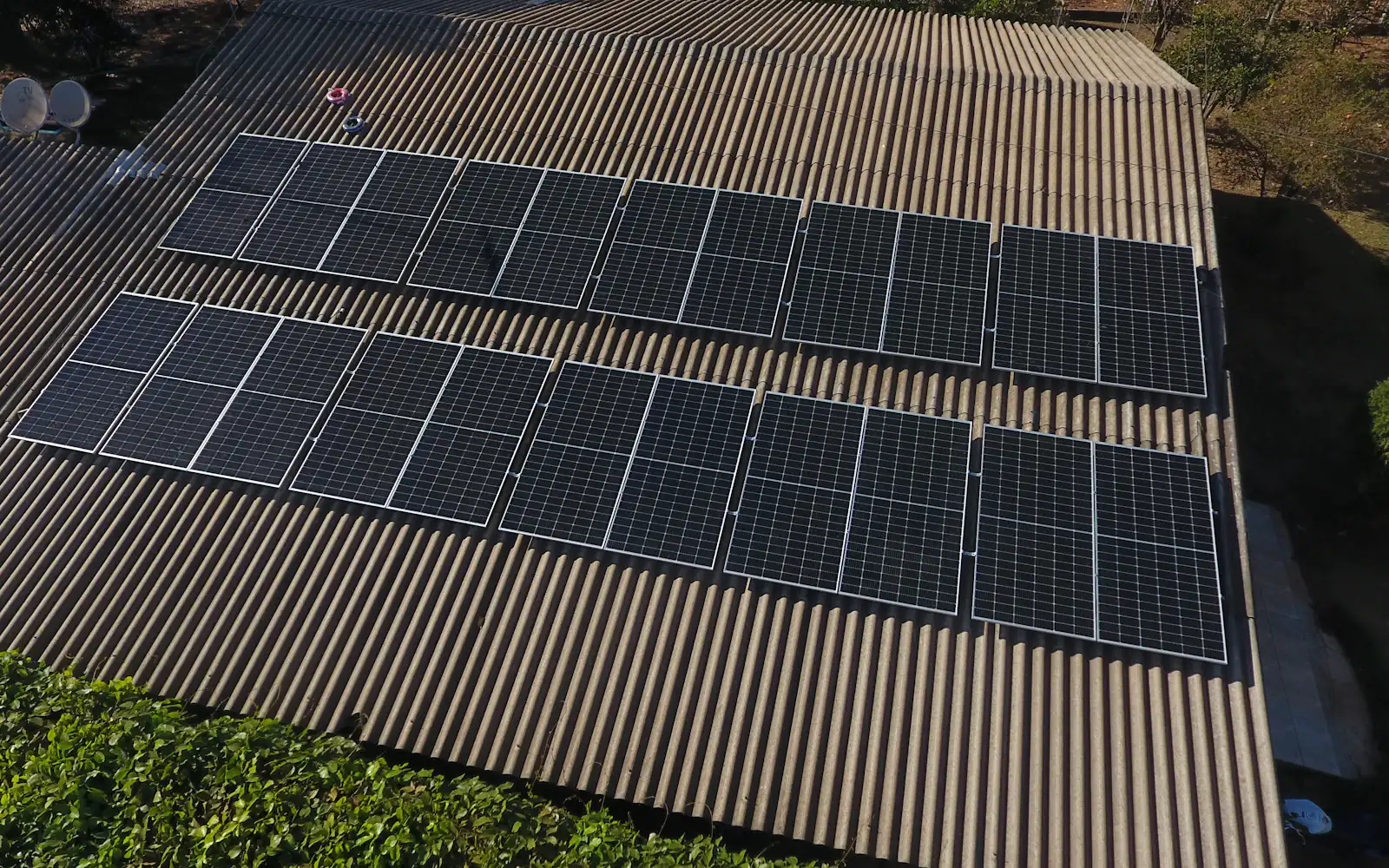

Solar panels generating renewable energy

A clearer story. A cleaner future.

Give Complex Energy Work A Clearer Position.

Commercial energy decisions involve more than one reader and more than one conversation. Shape a story that makes sense to facilities teams, business owners, and project stakeholders.

Positioning, project communication, and considered website content for businesses working across renewable energy and efficiency.

A stronger case for
serious consideration.

A prospective customer may need to explain your proposal to someone who has never met you. Your communication should help them describe the scope, the process, and the questions still to resolve.

Build a clear account of how the business works. Put technical detail in the right place, make project stages visible, and give different stakeholders a useful route through the information.

Commercial solarEnergy projectsStakeholder messagingProject scopeProcurement contentTechnical review

The buying group

Business owners, facilities teams, operations leads, and the people reviewing a proposed investment.

The communication task

Make a complex offer understandable without flattening the details that matter.

01 / Selected directions

Fieldwork

Illustrative concepts — not client projects

Solar panels generating renewable energy
Frame the project before listing the equipmentPositioning / Web / Content
Wind turbines in a renewable-energy landscape
Explain the transition from proposal to deliveryStrategy / Editorial

Visual directions for showing the work, explaining the process, and connecting energy choices to everyday decisions. Photography is illustrative.

02 / Services

What we do

Six connected services. One coherent message.

0101

Stakeholder Mapping

Problem

Different people in a buying group may be trying to resolve different concerns.

Deliverables

A stakeholder map and a prioritized communication brief.

Scope

Identify decision roles, information needs, and internal review stages.

Role & connection

Helps the business explain the offer to everyone involved in the discussion.

0202

Commercial Positioning

Problem

A broad list of capabilities can obscure the work a company is best placed to deliver.

Deliverables

A positioning narrative and a structured capability statement.

Scope

Clarify project fit, scope boundaries, and the business approach.

Role & connection

Creates a specific foundation for the website and proposal materials.

0303

Project-Led Website Content

Problem

Visitors may struggle to connect a service name with the stages of an actual project.

Deliverables

A website information plan and clear project-stage copy.

Scope

Organize pages around assessment, planning, delivery, and support.

Role & connection

Shows how the work progresses and where the customer participates.

0404

Capability & Evidence Structure

Problem

Unlabeled examples can create uncertainty about what a business has actually delivered.

Deliverables

A case-study framework and an evidence-review checklist.

Scope

Separate verified project evidence from illustrative concepts and general explanations.

Role & connection

Keeps claims traceable and gives useful detail its proper context.

0505

Proposal Communication

Problem

Important assumptions can disappear inside long technical documents.

Deliverables

Proposal copy templates and stakeholder summary formats.

Scope

Create readable introductions, scope summaries, and decision notes.

Role & connection

Helps project teams communicate the same scope consistently.

0606

Ongoing Project Updates

Problem

Customers can lose confidence when the next stage is unclear.

Deliverables

A project-update structure and a practical message library.

Scope

Plan communication around milestones, responsibilities, and outstanding decisions.

Role & connection

Keeps expectations visible throughout a considered engagement.

Clear scope.
Visible responsibilities.

Make the project understandable.

Commercial communication should distinguish the service being offered from the assumptions that need checking. State what is known, who needs to review it, and what comes next.

Use qualified review for engineering, finance, incentives, and compliance. Marketing material can organize the conversation without replacing professional assessment.

Equipment, incentives, and project outcomes vary. Confirm any technical, financial, or regulatory detail with an appropriately qualified professional.

Clear differentiationIncentive awareUseful contentLocal searchTrust first
03 / Process

A structured route from capability to communication

Five stages. From first call to ongoing refinement.

01

Assess

Understand the services, project types, and buying stakeholders.

02

Position

Define a specific account of where the business fits.

03

Structure

Organize website pages and supporting decision materials.

04

Review

Check scope, technical language, and the evidence behind claims.

05

Release

Publish approved materials with an owner for future updates.

A few useful questions

Is this a fit?

A short set of honest questions about the work. If the answers line up with your situation, the next step is a briefing conversation: where you are now, what is getting in the way, and what needs to change.

Is the focus commercial rather than residential?

This direction is written around commercial projects and multi-person buying decisions, where scope and supporting information matter.

Can technical documents remain detailed?

Yes. Readable summaries can sit alongside detailed documents; different readers need different levels of information.

What belongs in a project example?

Use verified scope, approved photographs, and an accurate account of the business’s role. Clearly label any illustrative material.

How should we describe financial outcomes?

Use documented, project-specific information reviewed by qualified people. Avoid presenting assumptions as guaranteed results.

Who needs to review the messaging?

Include someone who understands delivery, a commercial decision maker, and any specialist needed to check technical or regulated statements.

What is a useful first brief?

Share your service scope, typical project stages, stakeholder roles, and the materials customers currently use to evaluate your offer.

The next conversation

Make your capability
easier to evaluate.

A useful starting point is the gap between the work your team understands and the information a prospective customer receives. Bring both sides to the discussion.

From there, define a clear communication structure that supports a project conversation rather than rushing past it.

Begin the briefing conversation ↗